

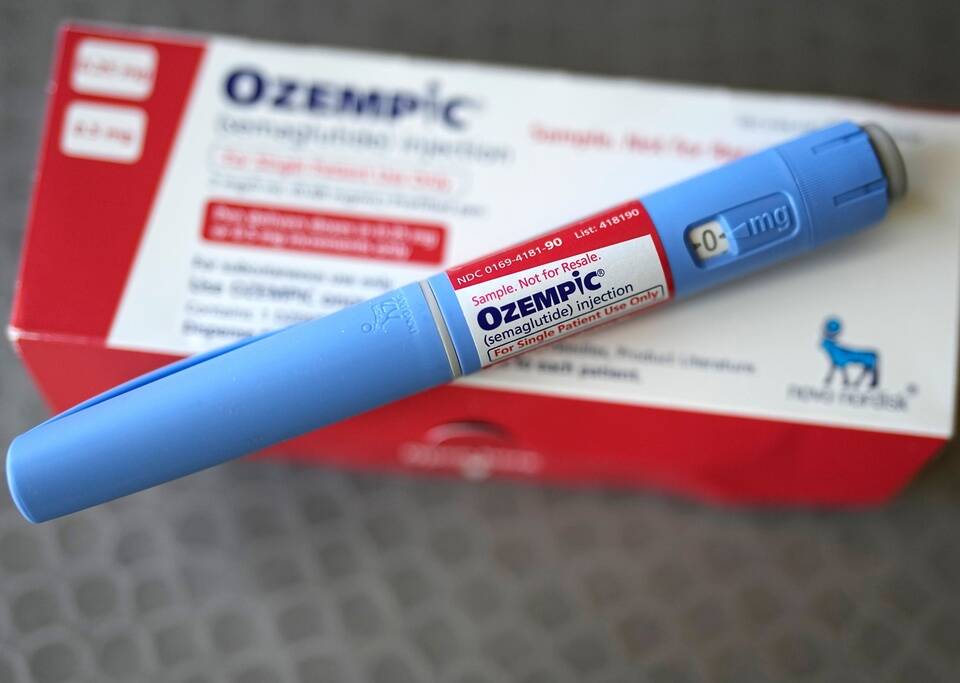
New research suggests the most popular weight-loss drugs on the market may be able do much more than help people lose weight.
As reported on Thursday’s AM Update, a promising new study from the Cleveland Clinic found GLP-1 drugs – including semaglutide and tirzepatide – may be linked to slower progression in four major cancers: breast, colorectal, lung, and liver.
The Study
Cleveland Clinic researchers analyzed data from more than 12,000 patients with early-stage cancers, comparing those who started GLP-1 medications after their cancer diagnosis to similar patients taking another class of diabetes drugs known as gliptins.
The study found patients taking GLP-1s, best known through brand names like Ozempic, Wegovy, and Mounjaro, were significantly less likely to see their cancer progress to stage four disease.
The largest reduction was seen in non-small cell lung cancer, where GLP-1 users were about 50 percent less likely to see their cancer spread to other parts of the body compared with patients taking gliptins — 10 percent in GLP-1 users versus 22 percent in the comparison group.
Among breast cancer patients, it was a 43 percent lower risk; liver cancer patients saw a 38 percent reduction; and colorectal cancer patients a 31 percent lower chance.
Researchers also found lower rates of spread in prostate, pancreatic, and kidney cancers among patients taking GLP-1s meds, but those differences were not large enough to be considered statistically significant.
Additional Research
Tumor biology may offer one clue, with better outcomes seen in patients whose tumors had higher levels of GLP-1 receptors, the proteins that allow cells to respond to GLP-1 hormones and medications.
“These results deserve cautious optimism,” Mark Orland, MD, the study’s lead author, told the American Society of Clinical Oncology Daily News. “For patients managing both diabetes and cancer, the possibility that their antidiabetic medication may also be working in their favor is an encouraging finding.”
The study was retrospective, meaning it cannot prove the GLP-1 drugs directly caused the improved outcomes. It is also possible the results were influenced by other factors, including patients’ underlying health conditions, weight loss, and broader metabolic improvements after starting the drugs.
Dr. Orland said the next step would be a randomized controlled trial in which GLP-1 use is assigned by researchers rather than simply observed in patient records.
You can get all the day’s headlines by tuning into the AM Update with Megyn Kelly on YouTube, Apple Podcasts, or wherever you like to listen. And don’t forget that you can catch AM Update on SiriusXM’s The Megyn Kelly Channel (channel 111).