
Update April 10, 2026, 2:00 p.m. ET: This article was updated with additional info about the ceasefire ; Originally published April 8, 2026, 3:38 p.m.
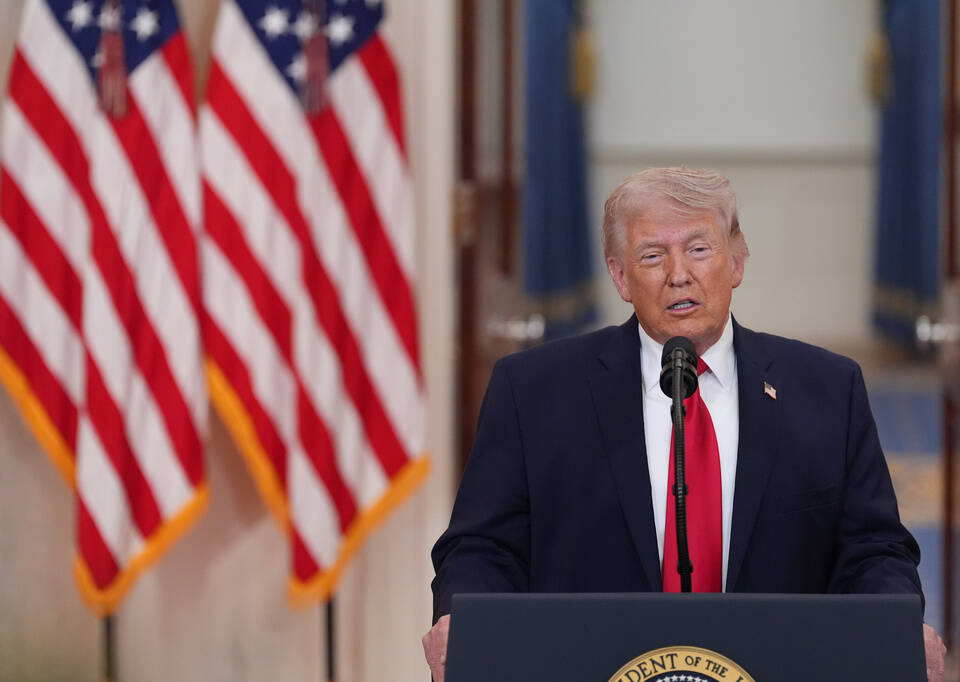
With just 88 minutes to spare before President Donald Trump’s 8pm ET Tuesday deadline for Iran to make a deal or face massive destruction, he announced a temporary two-week ceasefire deal following 38 days of major combat operations in Operation Epic Fury.
The news came after the president issued a stark warning on Truth Social Tuesday morning that “a whole civilization will die” that night if Iran did not open the Strait of Hormuz where 20 percent of the world’s oil supply once flowed before Iran shut it down. Following the Truth Social post, The Wall Street Journal reported Iran broke off direct communications with U.S. negotiators while continuing talks through intermediaries.
The Ceasefire Deal
Then came a public intervention from Pakistan. Prime Minister Shehbaz Sharif posted a proposed compromise on X Tuesday afternoon, urging the U.S. to extend the deadline by two weeks and calling on Iran to reopen the Strait of Hormuz as a goodwill gesture during that same period.
Hours later, President Trump announced on Truth Social that he had agreed to a conditional pause contingent on Iran reopening the vital waterway. “I agree to suspend the bombing and attack of Iran for a period of two weeks,” he wrote. “This will be a double sided CEASEFIRE!”
The president went on to say the U.S. has already met and exceeded its military objectives and is now “very far along” on what he described as a definitive agreement toward long-term peace in the Middle East.
The Strait of Hormuz
According to The New York Times, Iran accepted the terms of the deal after last minute prodding from China to show flexibility and defuse tensions “amid growing concerns about the economic devastation from damages to critical infrastructure.”
The ceasefire was reportedly approved by new Supreme Leader Mojtaba Khamenei, while Iranian Foreign Minister Abbas Araghchi released a statement on the matter. “For a period of two weeks, safe passage through the Strait of Hormuz will be possible via coordinating with Iran’s Armed Forces,” it read.
Oil prices dropped drastically on the news. Brent oil, the international benchmark, fell from about $110 per barrel, where it hovered most of the day, to about $91. But it is unclear just how open the Strait of Hormuz is. Citing Iranian state media, Fox News’ Jennifer Griffin reported Wednesday that Iran allowed two tankers through, but “they will block strait as long as Israel attacks Lebanon.”
Wednesday morning, President Trump told ABC News’ Jonathan Karl that the U.S. is considering a “joint venture” with Iran in administering tolls of ships going through the Strait. No such toll existed prior to Operation Epic Fury, but an Iran union rep speaking with the Financial Times said the number being discussed is $1 per barrel paid in cryptocurrency. According to the U.S. Energy Information Administration, 20 million barrels of oil and oil products passed through the Strait of Hormuz each day in 2025.
The president’s tone changed on Thursday, however, amid reports shipping through the strait remains at a trickle. Reuters reported overall traffic was well below 10 percent of normal volume Thursday as vessel-tracking data found hundreds of ships sitting on either side of the narrow waterway waiting to cross.
That, coupled with ongoing reports suggesting Iran may be charging certain vessels tolls for safe passage, led to a Truth Social post from President Trump Thursday. “There are reports that Iran is charging fees to tankers going through the Hormuz Strait,” he wrote. “They better not be and, if they are, they better stop now!”
The Lebanon Factor
President Trump told The New York Post Wednesday that in-person talks with the Iranians at a summit in Pakistan will happen “very soon.” While Vice President J.D. Vance, Steve Witkoff and Jared Kushner are expected to represent the Americans in Islamabad this weekend, there are still questions about the terms of the two-week ceasefire deal, including what it means for Israel’s campaign against Lebanon.
When the Pakistani prime minister announced a ceasefire had been reached between the U.S. and Iran on X Tuesday, he mentioned that one of the terms involved stopping the bombing of Lebanon by Israel. Israeli Prime Minister Benjamin Netanyahu, meanwhile, signaled that was not part of the agreement. Speaking with PBS’ Liz Landers Wednesday morning, President Trump also said Lebanon was not part of the deal “because of Hezbollah.”
In a Wednesday post on X by its foreign minister, Iran claimed the terms are “clear and explicit” and the U.S. “must choose” between “ceasefire or continued war via Israel.” The post went on to state “the world sees the massacres in Lebanon,” “the ball is in the U.S. court,” and “the world is watching whether it will act on its commitments.”
The post included an image of the ceasefire announcement from Pakistan’s prime minister, which said that U.S. allies had agreed to a truce that included Lebanon. Netanyahu has since said he is willing to talk to Lebanon, but Israel has continued its intense bombing campaign against reported Hezbollah targets in the country.
The military action rages on despite President Trump asking Netanyahu during a Wednesday phone call to pull back on the strikes. The president told NBC News Thursday afternoon, “I spoke with Bibi and he’s going to low-key it. I just think we have to be… sort of… a little more low-key.”
The Analysis
This week, Megyn was joined by Curt Mills, executive director of The American Conservative, Mark Halperin, host of MK Media’s Next Up, and Ana Kasparian, host and executive producer of The Young Turks, to discuss the fragile ceasefire, where it stands, and what it means for the U.S.
Netanyahu’s Next Move in Lebanon
[April 9, 2026] Megyn and Kasparian discuss Netanyahu’s actions in Lebanon, how Israel’s ongoing bombing campaign could affect the fragile U.S.-Iran ceasefire deal, and more.
Trump Teases “Joint Venture” with Iran
[April 8, 2026] Megyn breaks down the massive implications of the temporary ceasefire deal between America and Iran, President Trump teasing a possible “joint venture” deal to tax the Strait of Hormuz, and more.
The Truth About Israel’s Role in the Ceasefire
[April 8, 2026] Mills and Megyn discuss whether the ceasefire deal can hold if Israel continues to bomb Lebanon, the truth about what happens next in the Middle East, and more.
The Political Fallout on the Right
[April 8, 2026] Halperin joins to analyze what the fallout and infighting on the right caused by the Iran war means politically for Trump and the GOP, how it plays out now and in the future, and more.
War Hawks Are Very Mad and Sad
[April 8, 2026] What Mark Levin and other war hawks are now saying in the wake of the ceasefire announcement, why they sound sad and angry about the deal, what it means for MAGA long-term, and more.
You can check out Megyn’s full analysis on YouTube, Apple Podcasts, or wherever you like to listen. And don’t forget that you can catch The Megyn Kelly Show live on SiriusXM’s The Megyn Kelly Channel (channel 111) weekdays from 12pm to 2pm ET.